New Delhi: A temporary pause in tensions between the United States and Iran has sparked a political debate in India, with opposition leaders questioning the country’s diplomatic positioning amid shifting global dynamics.
The two-week ceasefire, agreed after weeks of escalating hostilities in West Asia, includes a halt to military actions and assurances regarding safe passage through the Strait of Hormuz. The development has been widely seen as a step toward easing regional tensions, even if only in the short term.

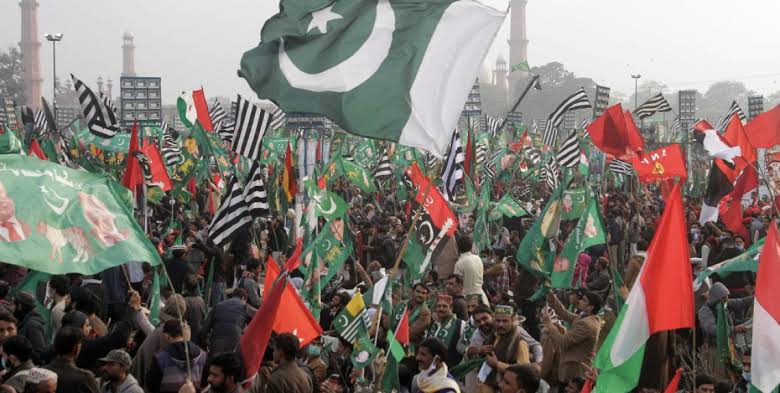
What has drawn particular attention, however, is the reported role of Pakistan in facilitating dialogue between the two sides. Islamabad’s involvement in the process has placed it at the center of a significant diplomatic moment.
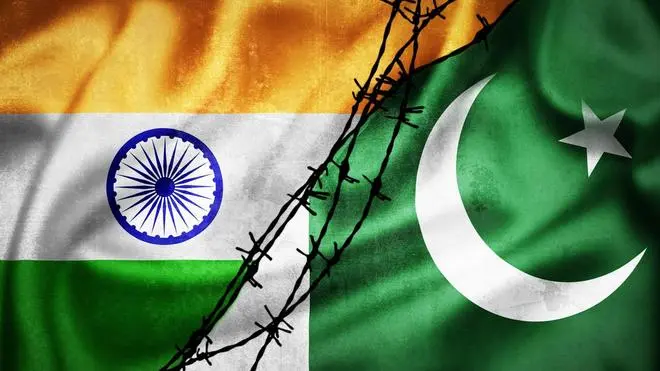
Reacting to the situation, Congress leader Jairam Ramesh criticized the Indian government’s foreign policy approach. He argued that Pakistan’s participation in brokering talks raises concerns about India’s longstanding efforts to diplomatically isolate its neighbor on the global stage.
Ramesh also pointed to what he described as India’s muted response on key international issues, suggesting that a more balanced and assertive stance could strengthen the country’s credibility in global forums. He further questioned recent diplomatic engagements, including high-level visits, saying they may not have delivered the expected outcomes.

Pakistan’s role has drawn mixed reactions internationally. While its leadership has welcomed the ceasefire and expressed readiness to host further negotiations, some analysts remain cautious, noting Islamabad’s close strategic and economic ties with China.
The developments have also revived broader questions about India’s strategic decisions in recent years, with calls for greater transparency and clarity in foreign policy and national security matters.
Looking ahead, Pakistan has indicated its willingness to host additional talks involving the United States and Iran to explore the possibility of a longer-term agreement. While the ceasefire offers immediate relief, its durability will depend on sustained diplomatic engagement.
For India, the episode has reignited a domestic conversation on how the country navigates complex geopolitical shifts and asserts its influence on the global stage.